Blog
Like-for-Like Boiler Swap or New System Design? What Your Property Needs
Like-for-like boiler swap or new system design?
Replacing a boiler can look straightforward from the outside. If the existing appliance has occupied the same space for years, it is tempting to assume the safest option is to remove it and fit another boiler in exactly the same place.
Sometimes that is sensible. Sometimes it carries an old system's weaknesses into a new installation. The right decision depends on how your property is built, how you use hot water and whether the rest of the central heating system is suitable for the replacement.
Our Boiler & central heating installation service starts with that assessment rather than treating every home as a standard swap.
What a like-for-like replacement actually means
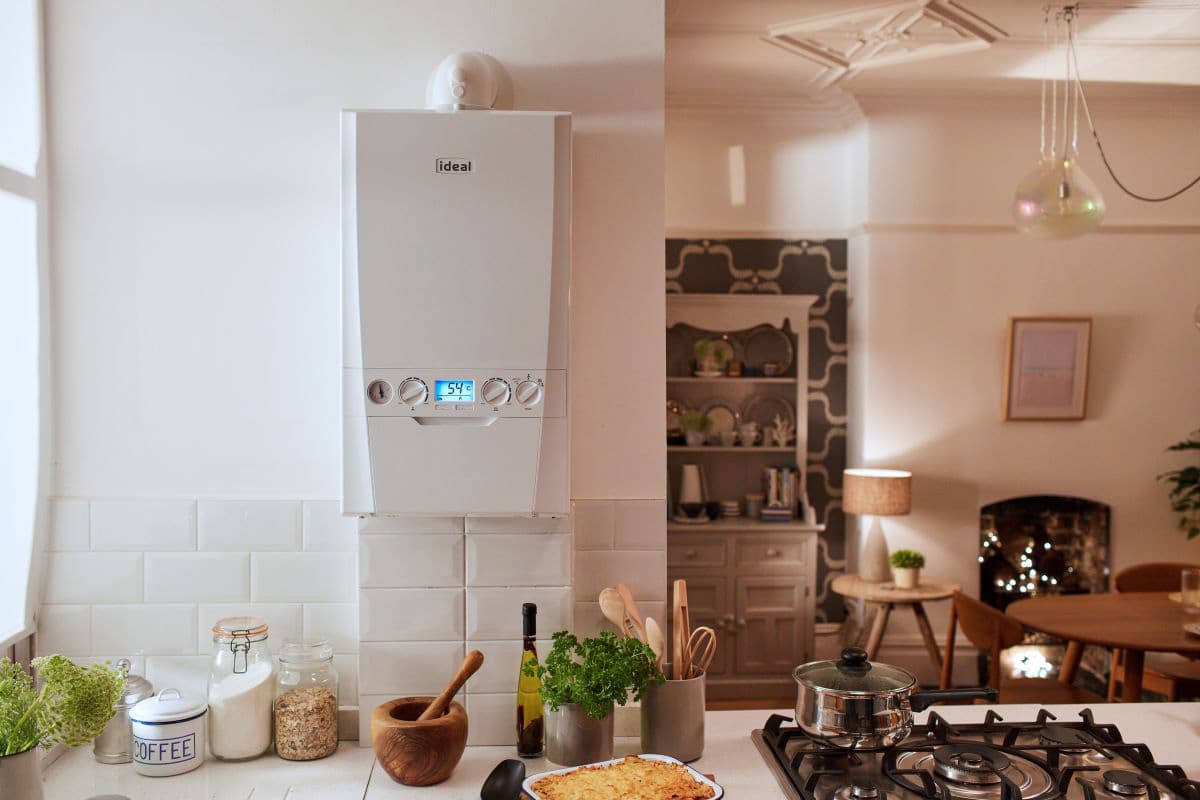
A like-for-like replacement generally keeps the existing boiler type, location and broad system arrangement. A combi boiler is replaced with another combi, or a system boiler remains connected to the same cylinder and heating circuit.
This can be appropriate when:
- The current boiler type suits the property's hot water demand.
- The existing pipework is in sound condition and correctly sized.
- Radiators heat the rooms effectively.
- The boiler location remains practical for servicing and flue requirements.
- The controls and system layout are not creating avoidable problems.
The important point is that like-for-like describes the arrangement, not necessarily the exact model or output. A replacement still needs to be correctly sized and installed to the manufacturer's instructions. Simply matching the old boiler's output without checking the building can result in an appliance that is larger than necessary or unable to meet the home's actual demands.
When the property points towards a redesigned system
Older houses in Yorkshire can contain several generations of heating work. A boiler may have been replaced while radiators, controls and pipework were left untouched. That history matters.
A new system design deserves closer consideration where the property has been extended, converted or substantially altered. A larger home may now have more rooms to heat, while an open-plan alteration can change how heat is distributed. Conversely, a boiler fitted for a previous household may be oversized for the way you use the property now.
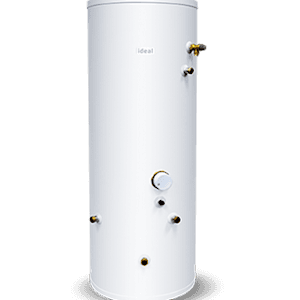
Hot water demand is another major dividing line. A combi boiler heats water directly as you need it, so the available flow and pressure at the property affect how well it can serve showers and taps. A property with several bathrooms or simultaneous hot water use may be better suited to stored hot water, using a boiler connected to a hot-water cylinder where the building and incoming supply make that suitable.
That is not a reason to assume a cylinder is always better. It needs appropriate space, pipework and controls. The decision should follow the way your home is occupied, not a preference for one boiler type.
The parts of the system that deserve attention
The boiler is only one component. During an installation decision, we also need to consider:
Radiators and room heat
If some rooms remain cold while others become too warm, the issue may involve the size of the radiators, how evenly the system distributes heat, or heat escaping through the walls, windows and roof. A new boiler cannot correct every distribution problem. The heating circuit may need adjustment or further design work so heat reaches the rooms that need it.
Pipework and system condition
Blocked, corroded or poorly arranged pipes can restrict the movement of water and put unnecessary strain on a new boiler. Existing debris may also move through the system after replacement. Whether cleaning, flushing or alterations are appropriate depends on what is found, rather than on the boiler alone.
Controls and zoning
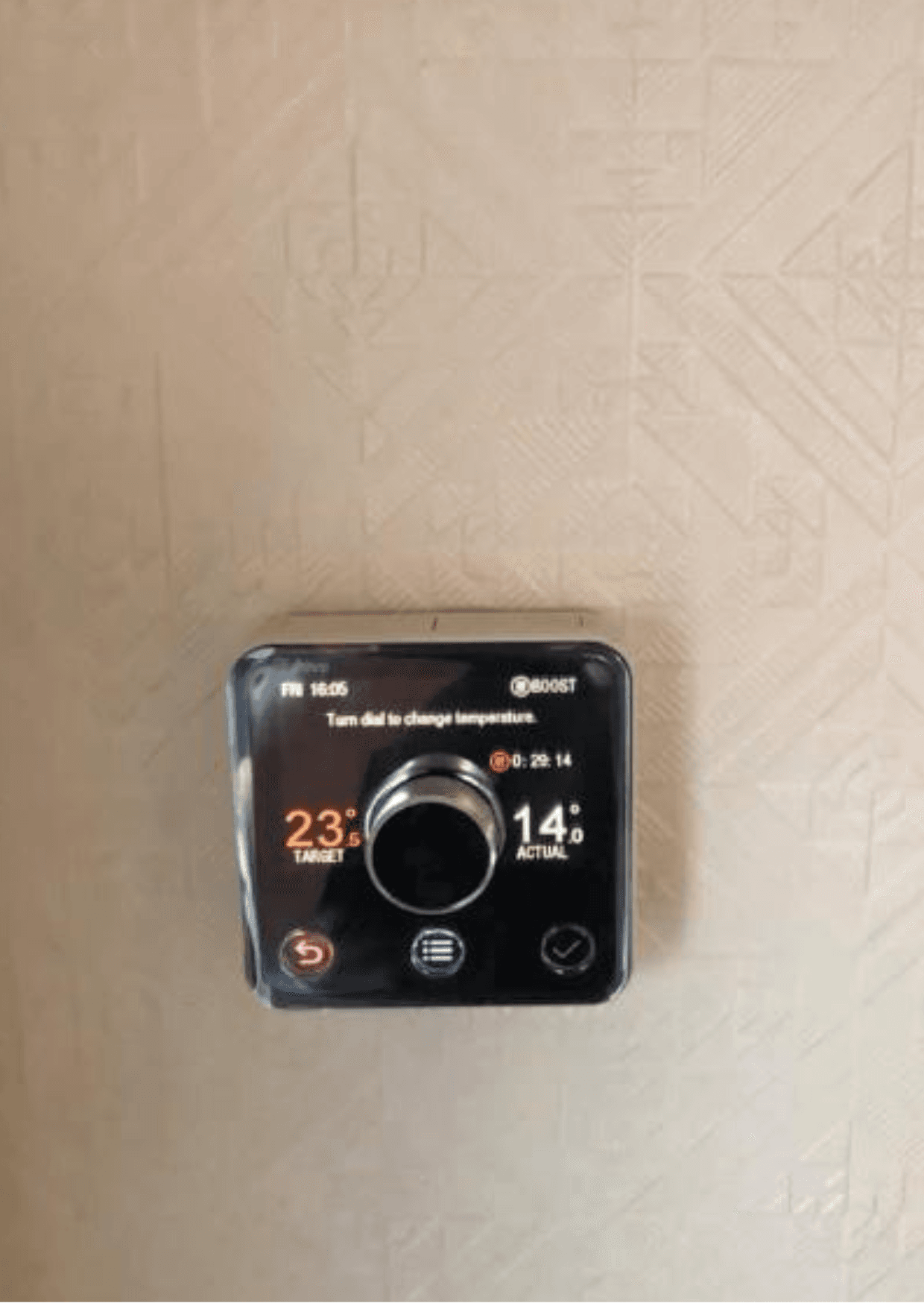
A modern boiler connected to basic or poorly positioned controls may not deliver the control over comfort and heating use that the property allows. The layout of the home, the number of occupants and the way rooms are used can all influence whether improved controls or separate control of different parts of the heating system are worthwhile.
Boiler position and access
The existing location may have been convenient for an older appliance but less suitable for a replacement. The route taken by the boiler’s exhaust pipe, the drain for water produced by the boiler, cupboard space, access for servicing and the route of the heating and hot-water pipes all need to be considered. Moving the boiler can improve access or free useful space, but it may also increase the scope of the work.
How we decide between the two options
We look at the building as a complete heating system. That means considering the property's size and layout, the condition of the existing installation, the available water supply, the heating pattern and the practical route for connecting the replacement.
For a home in Whitwood, Castleford or elsewhere across Yorkshire, the recommendation should explain not only what can be fitted, but why that arrangement suits the property. A direct replacement may be the clearest answer where the existing design is sound. A redesigned system may be more appropriate where the home has changed or the old arrangement is limiting comfort, hot water performance or future servicing.
At BMN Gas and Heating, our Gas Safe Registered and OFTEC Registered credentials cover the relevant gas and oil installation work. We can help you understand whether your property calls for a straightforward replacement or a more considered system design. Contact us for advice based on your home, rather than an assumption based on the boiler already in place.
Other Articles