Blog
Is Your Older Heating System Suitable for a Powerflush?

An older boiler is not the whole story
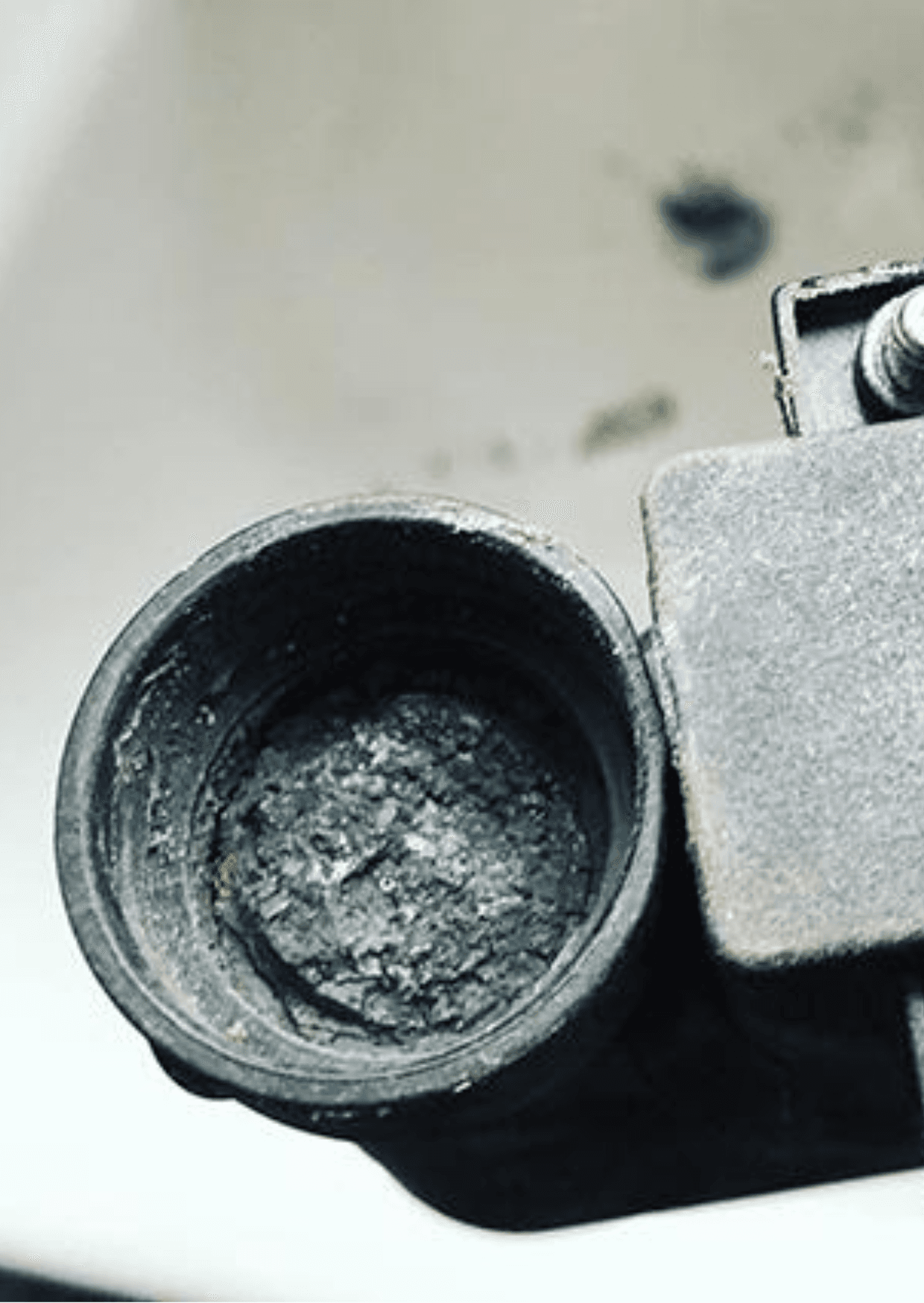
Age alone does not tell you whether a heating system can be powerflushed. The important question is what condition the whole heating system is in: the radiators, pipework, valves, pump and boiler all affect the decision. Two properties of a similar age can need very different approaches because one has been maintained and treated, while the other has accumulated corrosion and debris over time.
A powerflush is intended to remove circulating sludge and deposits. It cannot repair corroded metal, seal a failing joint or bring a worn component back to working order. That distinction matters in an older system: cleaning may be appropriate, but it needs to be considered alongside the condition of the parts the water passes through.
What changes the decision in an older property?
The condition of radiators and pipework
Radiators that heat unevenly or have persistent cold areas can point to restricted circulation, but those symptoms do not prove that sludge is the only cause. A valve that is not opening properly, trapped air or a circulation problem elsewhere can produce similar signs. The pattern across several radiators, and how the system behaves as a whole, helps build a more useful picture than one cold radiator on its own.
Visible corrosion, damp around connections, pressure that keeps dropping in a pressurised heating system or evidence of past leaks should be treated as important information. These can indicate that a component or joint is already vulnerable. Cleaning does not restore thinned metal. If a weak point becomes apparent during investigation or cleaning, the next step may need to be repair or replacement rather than further flushing.
The kind of system and how it has been maintained
Older homes may have different layouts and system arrangements, and alterations over the years can make the route the heating water takes less straightforward than the age of the property suggests. Previous radiator or boiler changes, replacement sections of pipework, and the condition of system water all influence what is sensible.
Maintenance history is useful too. If you know whether the system has previously been cleaned, treated with a corrosion-protection chemical or had recurring issues, share that with the heating engineer. If you do not know, that is still useful to say. It is better to make a decision from what can be observed than to assume that an older system has either been neglected or is in good condition.
The boiler and other components
The boiler is only one part of the circuit, but its condition and the way it connects to the heating system matter. Controls, valves and pumps can also affect circulation or show signs of wear. A boiler fault or an ineffective pump will not necessarily be resolved by removing deposits from the system. The cause of the problem needs to be distinguished from symptoms that happen to look like restricted flow.
This is why a suitable decision should follow an assessment of the system, not a rule based on the boiler’s age. Where a component appears vulnerable, the work may need a more conservative approach or a different remedy. The right choice depends on what is found, not on a promise that one cleaning method will suit every older installation.
What you can tell us before an assessment
You can help by noting which radiators heat poorly, whether the problem affects one room or several, and whether it has changed over time. Mention unusual boiler noises, any known leaks or pressure issues, and previous repairs or cleaning. You do not need to remove covers, open the boiler or adjust internal components to gather this information.
These observations are clues, not a diagnosis. For example, several radiators with similar circulation problems may suggest a system-wide issue, while one isolated radiator may have a local cause. An engineer can compare your observations with the condition of the system and decide whether a powerflush is suitable, whether a component needs attention first, or whether another approach makes more sense.
Make the decision around the system, not its age
If your older heating system is otherwise sound, removing accumulated deposits may be a reasonable option. If there is significant corrosion, leakage or a failing component, flushing alone may not be the right first step. The aim is to choose work that addresses the cause without treating cleaning as a cure for every heating fault.
For homeowners in Yorkshire, we can assess the condition and layout of your heating system before advising whether a Powerflushing is appropriate. Here at BMN Gas and Heating, we base that conversation on what your system is showing, so you can understand the relevant issues before deciding how to proceed.
Other Articles